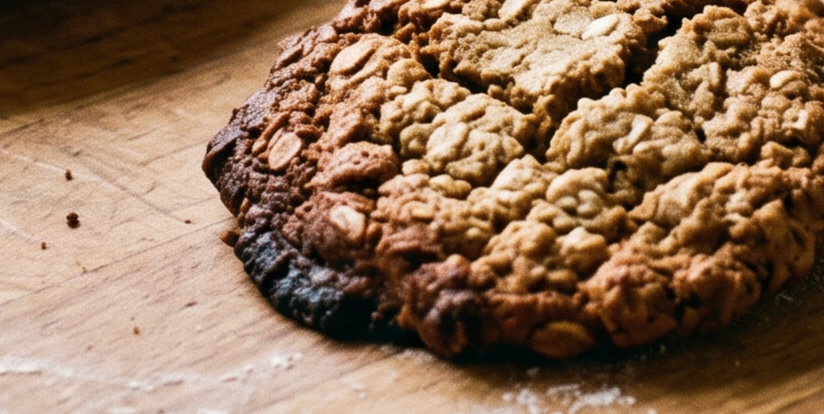
The Cookie, the Culture, the Conflict
Tough cookies. The idiom we toss around when someone refuses to bend, or when life itself feels baked too hard to bite. But anyone who has ever stood over a mixing bowl knows the truth: toughness begins long before the oven. It starts with what we put in, what we stir together, what we expect will transform into something warm and rewarding.
We mix, season, fold, and hope. A touch of sugar, a pinch of salt, maybe cinnamon for depth. We prepare with intention, imagining the outcome. Even once the dough is shaped and the tray goes into the oven, the transformation is not entirely out of our hands. We still choose the heat we give it — the energy we attach, the intensity we allow, how long we leave it there, how long we “chew” on something before letting it cool. We set the scene, and then the heat does its work. And when the cookies rest on the plate, only then do we discover whether they’re tender or tough.
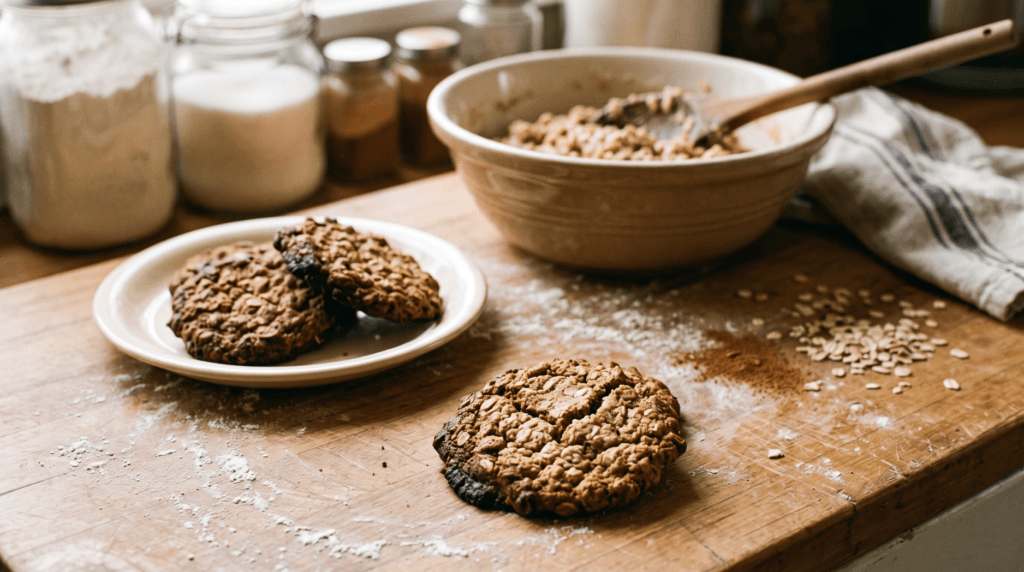
Energy is life force, and we choose how we transform it, curb it, or train it. We set our own blocks by refusing to see around them — or through them. We resist, fight, challenge, glide, or soar. Even stagnancy is only a perception; something is always processing, even if that processing is simply maintaining a status quo.
Change is a wall. We build our norms, settle into comfort, and call it contentment. Change disrupts that. Even when change is good, the unfamiliarity can feel daunting. Fear grows in the unknown outcomes, the uncharted paths, the consequences we cannot yet see. Fear is a tough cookie — hardened, resistant, difficult to crumble.
And when fear feels too solid, we reach for tools. Not just hands or teeth, but knives, swords, weapons — instruments meant to cut a path. A simple cookie, sliced apart, becomes a metaphor for cultures, nations, continents. Cutting, splitting, claiming a piece. But that piece does not always bring peace. The human cookie, broken and shattered, is the aftermath of war’s destruction.
On 24 July, a friend shared a tender “mini‑me vs me” post — a song, actually — with the line about continuing to “fight” for what is good and right. I only saw it today.
“…keep fighting for what is good and right.”
(a lyric from the short clip shared)
The message was soft, reflective, full of gratitude for her younger self. The “fight” wasn’t her word; it was part of the song’s inherited language. A cultural seasoning we sprinkle without noticing. A familiar flavour in the bowl.
And on 5 August, my mother sent me a newspaper article about global defence preparations — nations building deterrence, each one convinced they are preventing conflict, each one seen by others as sharpening a sword.
“Deterrence is always seen as threat by someone.” — Crispin Hull
Illawarra Mercury, 5 August, 2026
History has shown how quickly “protection” becomes “provocation,” and how easily fear hardens into escalation.
These echoes — personal, cultural, political — arrived within days of each other. Different contexts, same seasoning. The sword. The fight. The cutting.
We reach for the language of war so easily. We inherit it. We repeat it. We forget that not all tough cookies need cutting. Some soften with warmth. Some transform with time. Some simply need to be understood for what shaped them — the ingredients, the mixing, the heat, the history.
Strength doesn’t always mean sharpening swords. Sometimes it means choosing a different tool. Sometimes it means letting the cookie cool before deciding what it needs.
Tough cookies — an idiom worth noting, and worth rethinking.